BruegelNow
Anne-Sophie Radermecker
Klaus Ertz, 1945 – 2023
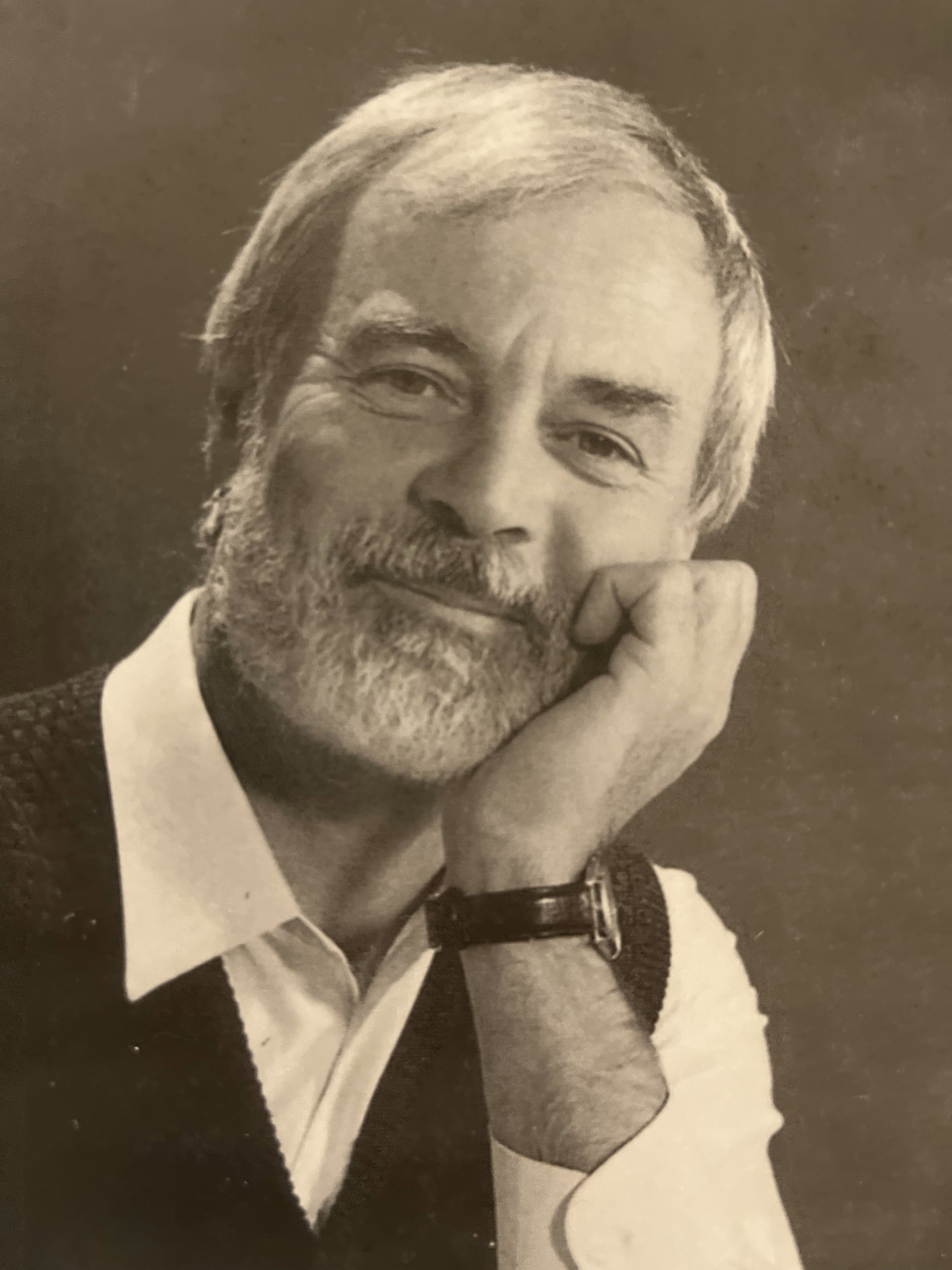
Klaus Ertz, who created catalog raisonnés of members of the Brueghel family and other painters of that era, has died. His death was announced on website of his self publishing company, http://www.luca-verlag.de/publisher. Ertz, and his wife, Christa Nitze-ErtzCristina, spent decades creating catalog raisonnes of members of the Brueghel family, including Jan Brueghel the Elder (1979), Jan Brueghel the Younger (1984) and Pieter Brueghel the Younger (2000, 2 volumes).
The books were carefully created, virtual works of arts themselves. I have always been particulalry impressed by the 2 volumes related to Pieter Brueghel the Younder. The approximately 1,400 works presented over hundreds of pages overflowed with many color images of Bruehgel’s works. For example, Ertz cataloged (with many images) some 127 versions of “Winter Landscape with Ice Skaters and Bird Trap.”
The monographs saught to differentiate autograph works created by Bruehgel the Younger from works primarily by the hands of the many assistents employed in his workshop. Ertz also noted works that were signed and dated.
His greatest impact on the art market was his authentication of works from the Bruehgel family for auction houses like Christie’s, Sotheby’s, Koller and others. The auction houses to bring some level of order to the, if not quite chaos, certainly unclear authorship, of Brueghel’s works. According to a fascinating study (“The Implicit Value of Arts Experts: The Case of Klaus Ertz and Pieter Brueghel the Younger,” Anne-Sophie Radermecker, Victor A. Ginsburgh and Denni Tommasi, January 2017, SSRN Electronic Journal), an Ertz authentication of a work by Pieter Brueghel the Younger increased the work’s value by 60%. While the authentication documents that Ertz created for auction houses were typically short in length, their impact added hundred of thousands of dollars to the sale price of Brueghel-related works. Ertz and the auction houses seemed to have a symbiotic, and very mutually beneficial, relationship.
How Ertz’s death will impact the auction houses, as they will inevitably continue to sell works by Pieter Brueghel the Younger, is an open question. In the brief time since Ertz’s death, only one auction with a Pieter Brueghel the Younger work has been announced (as far as we can ascertain). The work, “The Adoration of the Magi,” was authenticated by Ertz in 2009. Because Ertz authenticated such a large number of paintings during his lifetime, if the owners / auction houses can produce Ertz’s previously created authentication letters, many works will be continue to be sold as verified by Ertz.
Since Ertz began producing his volumes some 40 years ago, many changes have occurred with connoisseurship, catalog raisonnés and their definition and creation. Unsurprisingly, cataloging artist’s works have moved online. For example, a wonderful Jan Brueghel the Elder compendium has been created and overseen by Elizabeth Alice Honig, Professor, University of Maryland, and her team at http://janbrueghel.net/.
As recounted in the Radermecker, Ginsburgh and Tommasi article, expertise in the form of purely visual connoisseurship that Ertz provided has been supplanted by evidence-based technical analysis of the kind applied to the Bruegel family in the groundbreaking volume “The Brueg(H)el Phenomenon: Paintings by Pieter Bruegel the Elder and Pieter Brueghel the Younger” by Christina Currie and Dominique Allart. This is because technical analysis provides stronger grounds for securing authorship than a simple visual review of a painting. However, detailed technical analysis is much more time consuming and expensive, making the proposition of technical analysis becoming commonplace at auction houses unlikely in the short term. How art market authentication of the Brueghel family’s works moves forward in the wake Ertz’s death has yet to be seen.
 BruegelNow